Critically notebook

Plague

The history, the origins, and an understanding our our modern defenses and science.

Doug Kinnison@dougkinnison · 16 notes
Follow
16notes
10citations
9sources
5sections
1images
13unsourced
13 of these 16 notes have nothing under them yet.

They are marked unsourced by a trigger, not by a judgement — it means no approved external source, and says nothing about whether they are right. A board at this stage is a set of questions somebody has written down, and it is rendered as one.

01

History

4 notes

Plague

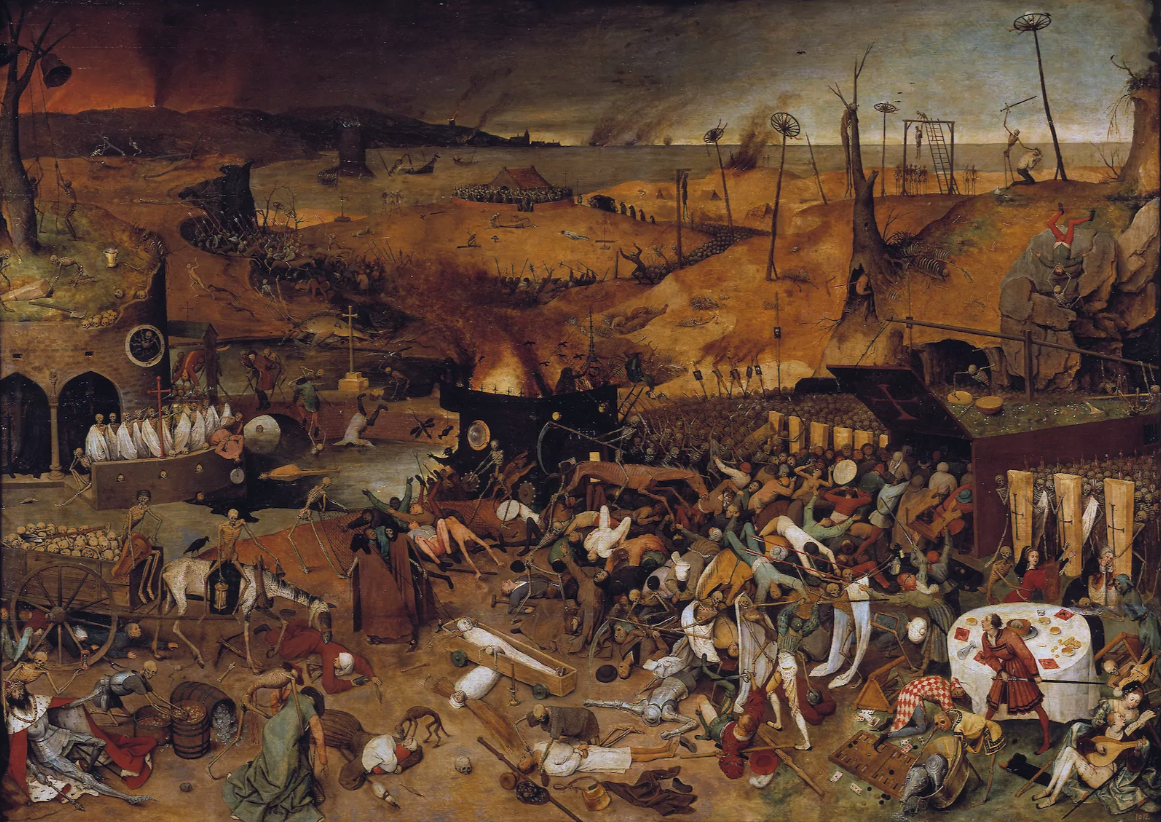
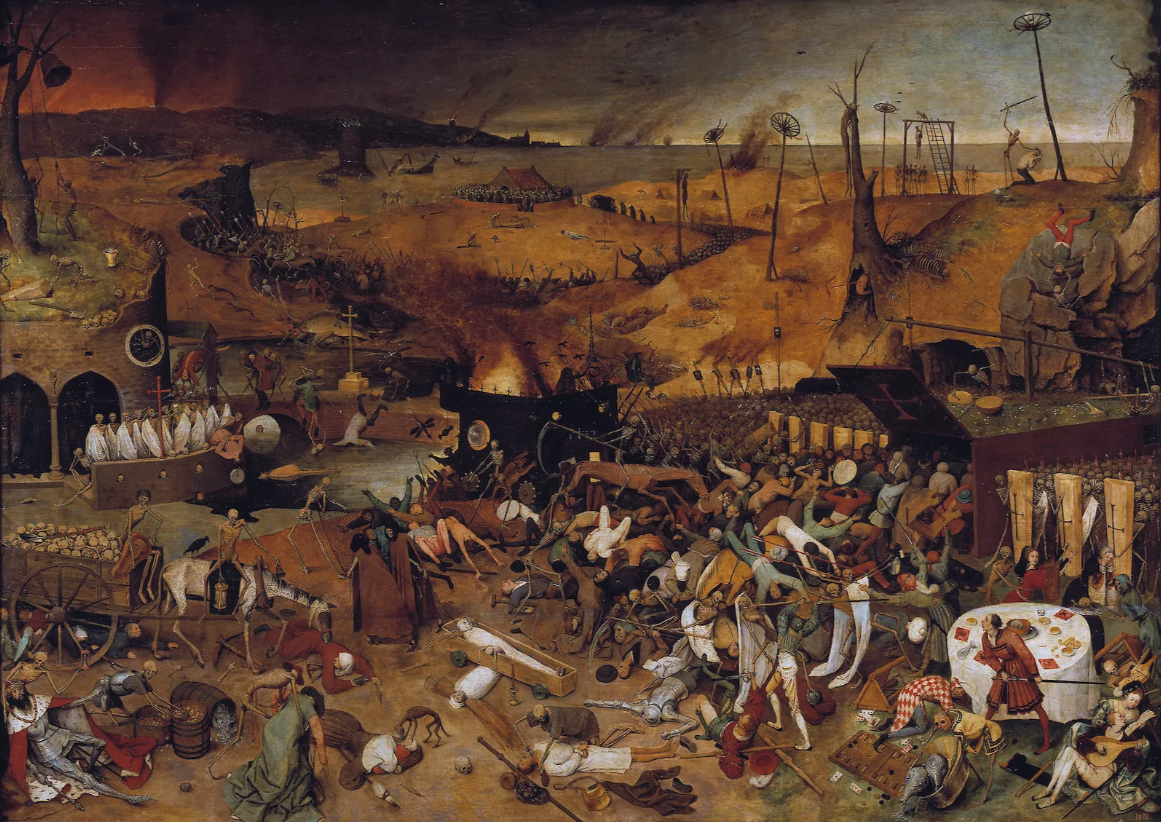
Plague is an infectious disease caused by the bacteria Yersinia pestis, usually found in small mammals and their fleas. It is transmitted between animals through fleas. Humans can be infected through: the bite of infected vector fleas unprotected contact with infectious bodily fluids or contaminated materials the inhalation of respiratory particles from a patient with pneumonic plague. Plague is a very severe disease in people, particularly when the bacteria spreads through the bloodstream (septicaemic plague) or infects the lungs (pneumonic plague). It has a case-fatality ratio of 30% to 100% if left untreated. The pneumonic and septicaemic forms are invariably fatal unless treated early. Pneumonic plague is especially contagious and can trigger severe epidemics through person-to-person transmission via respiratory particles. Historically, plague was responsible for widespread pandemics with high mortality. It was known as the "Black Death" during the fourteenth century, causing more than 50 million deaths in Europe. Nowadays, plague is easily treated with antibiotics and the use of standard precautions to prevent acquiring infection.

Open note →

Recurrent waves versus a single pandemic

Whether the so-called second pandemic (fourteenth to nineteenth centuries) represents repeated reintroductions from animal reservoirs or a persistent, mutating European focus is an open question in historical epidemiology.

3 cited
Open note →

Mortality scale of the Black Death

The commonly cited figure that the Black Death killed a third to half of Europe's population is contested, with regional variation and record quality raising questions about how reliable any continent-wide estimate can be.

unsourced0 cited
Open note →

Origins of the Justinianic Plague

Whether the sixth-century pandemic attributed to Yersinia pestis originated in Central Asia or East Africa remains disputed among historians and geneticists working from ancient DNA evidence.

unsourced0 cited
Open note →

2 claims in History happened somewhere

Where these stand

A pin is a citation carrying coordinates, so each is a claim about where something happened rather than a place somebody dropped on a map.

  1. every pin on this board →
02

Pathology

3 notes

Transmission pathways

The relative contribution of flea-borne, airborne (pneumonic), and direct contact transmission in historical outbreaks versus modern cases is disputed and may vary by epidemic.

Open note →

Virulence and strain evolution

Whether Yersinia pestis has changed in virulence over centuries, or whether differences in historical mortality reflect host and environmental factors instead, is unresolved.

unsourced0 cited
Open note →

Asymptomatic or mild carriage

The extent to which undetected or mild infections occurred historically and occur today, potentially skewing case fatality estimates, is uncertain.

unsourced0 cited
Open note →
03

Treatments

3 notes

Antibiotic efficacy and timing

How much treatment outcome depends on the specific antibiotic chosen versus how early it is administered after symptom onset is not fully settled.

Open note →

Antibiotic resistance risk

Whether naturally occurring or engineered antibiotic-resistant strains of Yersinia pestis pose a near-term practical threat is a matter of ongoing scientific debate rather than settled fact.

unsourced0 cited
Open note →

Vaccine development status

The degree to which current plague vaccine candidates offer durable, broad protection against both bubonic and pneumonic forms remains an open research question.

unsourced0 cited
Open note →
04

Current Cases

3 notes

Persistent endemic foci

Which wild rodent populations and geographic regions currently serve as active reservoirs, and how stable those foci are over time, is not fully mapped or agreed upon.

Open note →

Surveillance and underreporting

Whether official case counts in endemic regions understate true incidence due to limited diagnostic infrastructure or underreporting is disputed.

unsourced0 cited
Open note →

Climate and ecological drivers

How changing climate and land use affect rodent and flea population dynamics, and thus future outbreak risk, is an area of active and unsettled research.

unsourced0 cited
Open note →
05

Public Perception and Controversy

3 notes

Plague as a bioweapon concern

The degree to which Yersinia pestis represents a realistic bioterrorism threat today, as opposed to a largely historical or theoretical one, is contested among security and public health analysts.

Open note →

Comparisons to modern pandemics

Whether drawing direct lessons from historical plague outbreaks for modern pandemic preparedness is methodologically sound, given differences in medicine, demographics, and pathogen biology, is debated.

unsourced0 cited
Open note →

Stigma and historical blame narratives

How accurately popular historical narratives assign blame or causation for plague spread (to particular groups, trade routes, or practices) reflects the evidence versus inherited myth is disputed among historians.

unsourced0 cited
Open note →

Register

Every citation, by where it points

Sources are deduplicated by canonical URL. The number is how many notes carry that citation — not a measure of the page, only of how much of this argument rests on it.

nature.com

  • Ысык-Көл облусу×1
  • Client Challenge×1

origins.osu.edu

  • The Justinianic Plague | Origins×1

who.int

  • Plague×1

popular-archaeology.com

  • طريق رشاح المصرف×1

pmc.ncbi.nlm.nih.gov

  • The black death: second plague pandemic×1

pnas.org

  • Just a moment...×2

Assembled and sourced by

Doug Kinnison

@dougkinnison
Follow

Following puts their new public work on your dashboard and does nothing else. There is no follower count here for it to feed — a number beside a name is a score, and this platform does not keep one on people.